AI Citation Data: What It Actually Takes to Show Up in LLM AnswersAI Citation Data: What It Actually Takes to Show Up in LLM Answers
The Citation Equity Signal: What Research Confirms
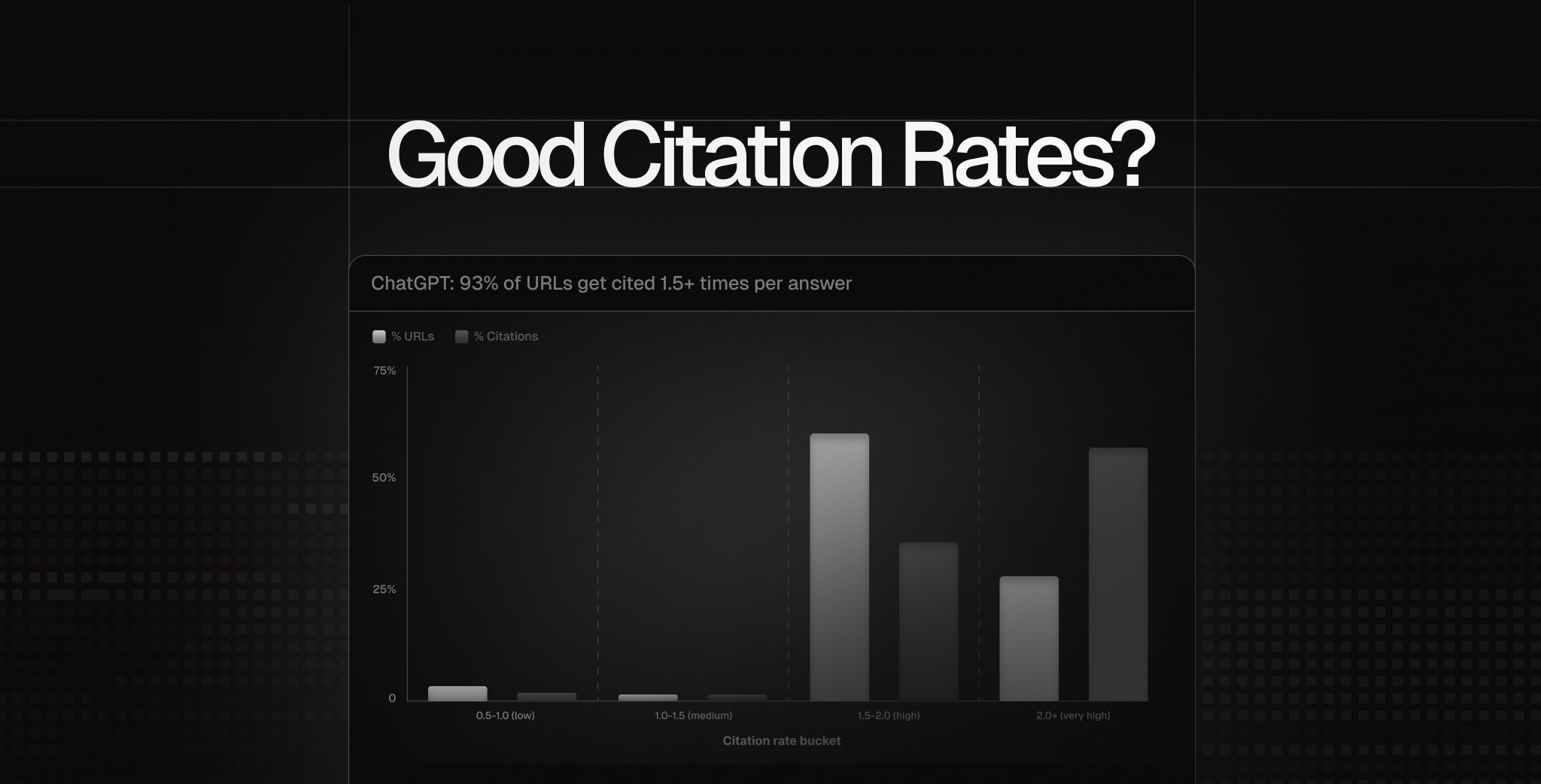
Independent research has repeatedly found that AI citation correlates most strongly with external brand presence — not with on-site SEO performance. SE Ranking’s analysis of over 129,000 domains confirmed referring domain count as the primary citation predictor for ChatGPT. Brands that have accumulated broad earned coverage are the ones AI systems have learned to treat as authoritative sources within their categories.
The pattern holds across LLM platforms too. Research examining citation behaviour across ChatGPT, Gemini, and Perplexity finds consistent results: brands with the broadest third-party mention footprints are the ones that appear most reliably in AI-generated answers, regardless of the specific platform. This reflects a core principle of how large language models assess credibility — the signal that marks a brand as worth citing is built from patterns of third-party mention, not from anything a brand publishes on its own domain.
Why Traditional SEO Isn’t Enough
Good SEO is valuable but incomplete for AI visibility. LLMs draw on a different signal set than search ranking algorithms. They’re looking for evidence of trustworthiness as expressed by who talks about a brand across the web — not just who links to it. Building that signal requires a deliberate strategy focused on citation equity and brand mention breadth — one that runs alongside traditional SEO rather than replacing it.
What Citation Equity Actually Means
Citation equity refers to the built-up authority a brand gains from being mentioned and referenced across credible third-party sources over time. It functions as the AI-era equivalent of domain authority in traditional SEO — a measure of how widely and repeatedly the brand appears in the sources that carry weight. The difference is that this authority is built through genuine coverage and brand mentions, not just backlinks. Where domain authority compounds from link acquisition, citation equity compounds from the breadth and quality of external mentions that teach AI systems to treat a brand as worth surfacing. Brands exploring how to earning AI citations are investing in this pattern deliberately.
How Brands Are Building This Signal
The highest-impact approach to building AI citation equity combines earned media coverage with a broad brand mention footprint across authoritative sources. This means investing in strategies that generate genuine third-party references — data-led research that journalists cover, expert commentary that gets picked up by industry publications, and consistent presence across the reference sources AI systems index. Resources focused on brand authority building for AI environments explain the core approaches in practical terms. The common thread across all of them is that owned content alone cannot build the external signal AI systems require.
The distribution of mentions matters as much as volume. Brands cited across a wide set of publishers — industry verticals, news outlets, trade publications, reference sources — build a more robust citation signal than those concentrated on a limited source type. AI systems cross-reference mention patterns across their training corpus, and brands that appear in diverse credible contexts are treated as more generally authoritative within their category.
For B2B brands tracking where buyer attention is going, the AI citation data tells a unambiguous story. The brands being surfaced in ChatGPT, Perplexity, and Google’s AI Overviews have built broad external citation footprints — and that footprint is now a core driver of unpaid visibility. Guides on editorial PR for visibility offer practical starting points, with related reading on brand mentions as acquisition worth bookmarking.